
Dear Distinguished Colleagues and University Presidents,
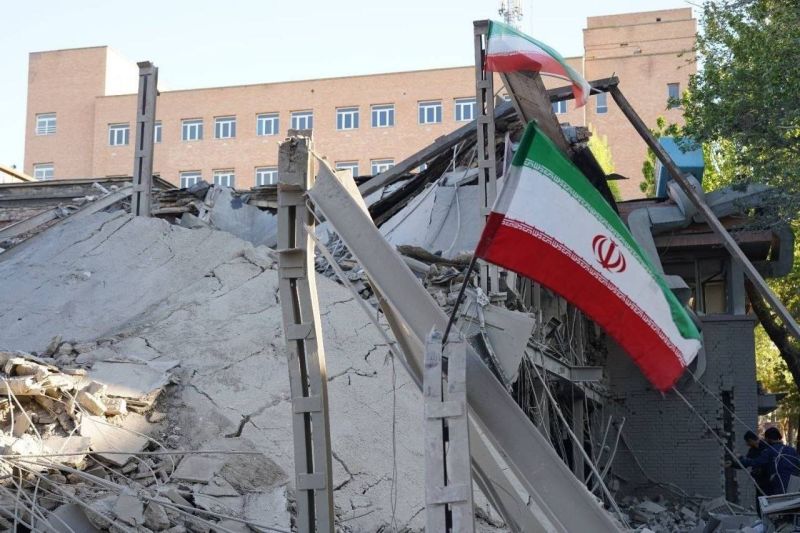
I am writing this open letter on behalf of my colleagues at Sharif University of Technology. In the early hours of April 6, 2026, the Information and Communication Technology Center (ICTC) of our university was struck in a direct US-Israeli airstrike, resulting in the destruction of critical digital infrastructure, servers, and extensive research data accumulated over decades. This is yet another prime example of US-Israeli attacks on civilian infrastructures, which in this case will cause serious disruption to scientific work, academic collaboration, and advancement of knowledge. A military attack on Sharif University of Technology as a leading academic institution widely known for excellence in research and teaching is deeply distressful. But it has not been an aberration or isolated incident. Over the last five weeks of imposed war on Iran, more than thirty educational and academic institutions across Iran have been struck by US and Israel.
The flagrant violation of international laws on the sanctity of educational and research institutions by the terrorist regimes of US and Israel must be a cause for serious concern for all of us in the borderless academic community. We still remember how Israel, with the unconditional impunity from US, committed a full-fledged genocide in Gaza over the past few years. This vicious cycle of violence against knowledge and education must not be allowed to continue, and we as members of the global academic community share a responsibility to uphold and defend the principles that sustain scholarly life. If the targeting of educational and research infrastructure goes unchallenged, it risks setting a dangerous precedent with far-reaching consequences for global academia.
As members of a shared global academic community, we respectfully ask that you:
1- Publicly condemn the US-Israeli attack on Sharif University of Technology and affirm the importance of shielding universities and research institutions from military action.
2- Encourage dialogue within your institutions and national contexts regarding the safeguarding of academic infrastructure and intellectual resources, in line with the Geneva Conventions and the UN Charter.
3- Support international norms and frameworks that uphold the protection of civilian and educational sites, and work to prevent normalization of such violations.
Despite the significant losses we have endured, Sharif University of Technology remains committed to its academic mission. We will continue to rebuild and to contribute to the advancement of knowledge. At the same time, we believe that moments such as this call for collective reflection and principled action from the global academic community.
With respect,
Massoud Tajrishy
President
Sharif University of Technology
Tehran, Iran